Archive for the ‘Otter Notes’ Category

Sleep Time – Part Two


herbs

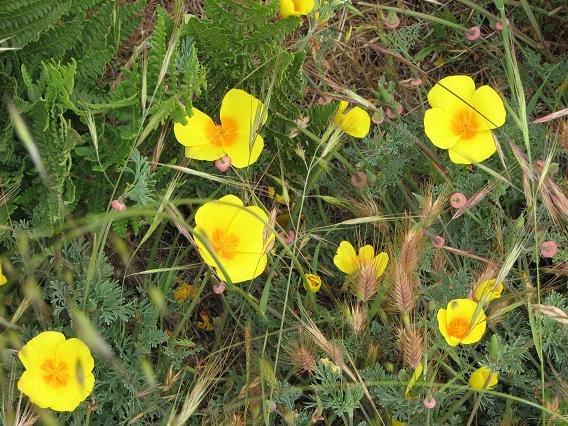
California Poppy

Now that I have covered some of the basics of sleep and good sleep habits, let’s get into some of the more difficult situations and the herbs that are available.

 The definition of insomnia, according to the Merck Manuel, is “difficulty in sleeping or disturbed sleep patterns; leaving the perception of insufficient sleep.” There are 78 recognized sleep disorders. Insomnia is twice as common in women as men

Many people take some sort of sleeping aid regularly or occasionally whether it is a prescription, supplement, homeopathy or herb. While there are varying degrees of physical addictiveness with these different substances, they all have the potential to be emotionally addictive.

Many times I have heard people say they sleep fine when they take X and when I ask them how they sleep without it, they don’t know because they are afraid to try sleeping without it; even years later.

There is a place and time, often with a chronic illness, when a person loses trust in his or her body to find and maintain balance without intervention. This is why it is important to look at the root cause of why you aren’t sleeping well and not just knock yourself out artificially every night.

The general classification of prescription sleeping pills is hypnotics or sedatives; to varying degrees all drugs in this class are addictive. You build a tolerance (meaning you have to take more to have the same effect) and withdrawal from them can cause a temporary recurrence of sleeplessness. This class of drugs also has an additive affect with other central nervous system (brain and spinal cord) depressants.

In other words combined with alcohol, anti-histamines, anti-anxiety, anti-depressant, or opiates; their actions are even stronger. In the elderly, these medications can cause restlessness, excitement and exacerbate symptoms of organic brain disorders. Always consult a doctor before starting or stopping a prescription medication.

Some folks have the opposite problem, they sleep ‘too much’.  This is more commonly seen with depression or fatigue (from adrenal burnout typically and/or menopause). Or, they are getting a sufficient number of hours of sleep but don’t feel rested.

A quick note on sleep apnea. While there are different types of sleep apnea, the basic concept is that during sleep,  breathing recurrently stops long enough to cause measureable blood deoxygenation. So, the body isn’t getting enough oxygen. This can cause many problems including inflammation, nightmares and day time anxiety.

So, in order to combat insomnia, we need to address the root problem; physical, emotional, spiritual.

Sometimes insomnia is based in the emotions and so you want to consider if it is something old or something new (borrowed or blue…just kidding).  Getting as far as a conscious understanding of what is going on can go a long way. If you need additional support to work through what is keeping you up, seek it out. Your sleep is important and you are worth it.

Now, I know that some of you work third shift/late night/irregular schedules. This can really throw your body off, especially in the sleep department. You will need to pay extra attention to getting the best quality sleep you can knowing that you are working against your natural rhythms in relation to light and dark. Besides light cycles, our circadian rhythms respond to ambient temperature, meal times, stress and exercise. So, if you can’t or don’t want to change your work schedule, you can work with the second list to get your body in a healthy rhythm.

How do you feel when you can’t sleep?

Part of sorting out the puzzle of insomnia is to observe what is happening. If you are lying awake and/or wake up during the night ask yourself the following:

  • Is my body tense? Where?
  • What emotions am I experiencing?
  • What am I thinking about? Is my mind calm or racing?
  • Do I feel safe? Sleep is a vulnerable time.


herb school photo

Vervaine

Do you wake at the same time? If so, one of your organs may be waking you up and some tonics to that organ may help. Below is a highly simplified version of the TCM body clock; just to give you a starting point.  According to Traditional Chinese Medicine the following times relate to the following organs:

7-9pm heart governor

9-11pm triple heater (not one organ correspondence, simplified about metabolism)

11-1am gallbladder

1-3am liver

3-5am lungs

5-7am large intestine

7-9am stomach

Herbs

I take a two-fold approach when using herbs to help with sleep. For some, all you need to do is work on the lifestyle suggestions discussed earlier and perhaps take a nervous system tonic during the day. Some folks need a formula specifically taken at bed time. Do not take these herbs in combination with sleeping pills without consulting an herbalist.

Sometimes I use one of these and sometimes they are nice in combination. As I’m sure you realize there are many reasons for sleep disturbances, so there is no one perfect sleep formula. Many sleep formulas that you see on the market simply put several nervines together in hopes of knocking you out. That isn’t herbalism, that is using herbs like pharmaceuticals.

Out of respect for the plants and yourself, take the time to make a more thoughtful, elegant formula. Really look at what the problem is and address it. Even a lovely herb sleep formula shouldn’t have to be used in the long term; the underlying issues need to be addressed so that, hopefully, one day, you don’t need any sleep aids.

Here are some plants to consider:

Passionflower – cooling; antispasmodic for the nervous system, relaxes tense muscles, insomnia with body tension component; nerve  pain, improves nerve circulation; hypotensive (lowers blood pressure); sedating, ; contra-indications: strong Rx, hypotension, bradycardia; not in large doses with sleep apnea

Vervain – cooling;  nervous system tonic, mildly sedating, anti-depressant, mind chatter, OCD, anxiety, stimulates and cools liver; headaches due to tension; contraindications: pregnancy, liver disease, low blood pressure, not in large doses with sleep apnea

Chammomile – warming; anti-depressant, anti-inflammatory; anti-spasmodic; calming to nervous system; nervous tension held in stomach;  contra-indications:  excess stomach acid, hot and stimulating in large doses

Motherwort – neutral temperature; nerve and heart tonic, anxiety, menopause, high blood pressure due to stress, menopausal tension, hyperthyroid, sedating; contra-indications: pregnancy


herbal medicine

Lavender. Photo by Claire Bohman.

Lavender – cooling;  anti-depressant (strong) anti-spasmodic especially in stomach; hypotensive; nervine; reduces anxiety; calming; sedating; contra-indications: stimulating to some, strong plant and many folks just adverse to its energy (while others love it).


California Poppy – neutral; anti-anxiety, restless leg syndrome; helpful in insomnia where the environment is too stimulating and difficulty staying asleep; somewhat pain relieving; contra-indications: check w/ practitioner with Rx


Oats – as tonic, not necessarily effective as direct sleep formula but as day time support; adrenal and nerve tonic; mild anti-depressant, nutritive, best in small frequent doses; aids in recovery from chronic illness

Skullcap – cold; tonic to nervous system; relaxes body from nervous tension; antispasmodic (also helpful with restless leg syndrome); hypotensive, decreases nerve pain and inflammation; reactivity; not sedating; twitchy nerves; contra-indications: hypotension, migraines (with care)

Valerian root; dry can aggravate depression for some folks and cause more of the hang over feeling some people get with valerian; recommend fresh root only on this one, in general; warming; analgesic (relaxes muscle tension); hypotensive, especially if stress induced; sedating, decreases anxiety, tremors and panic;  contra-indications: stimulating to a small number of people but irritating if you are one of them; do not use long term, pregnancy, breast feeding, depression, low blood pressure; strong Rx

Now, after reading about these plants, remember to utilize the strategies in both parts of this article. The goal in holistic medicine is to address the root of the problem. So, even if you are using an herb instead of a pill, it isn’t holistic unless you are looking at the bigger picture; as opposed to substituting an herb for a pill.

So take a deep breath, slow down, relax  and …


Sleep well!


Read More

Sleep Time – Part One

nature

To listen to a radio broadcast on this topic click here.

Sleeping well is an integral part of our health. Sleeping well is also something a lot of people struggle with. If sleep is not your issue, hooray! Get off the computer and go outside.

While there are many possible physical causes of sleep disturbances,  it is important to look at the whole picture. Many factors go into sleep quality; stress levels, eating habits, pre-bed activities and hormones, just to mention a few.

It is also important to look at your relationship to sleep. Many people do not allow themselves enough time for sleep and are in a constant state of sleep deprivation often supplemented with a stimulant of choice; coffee and nicotine being common ones.

What does this say about how you are taking care of yourself if you won’t even allow time to rest?  I understand many people have busy lives, sometimes fueled by economic necessity and/or child rearing, but there is a point where something has to give and sleep gets its time.

For some people sleep is the only time they ever slow down and relax. So slowing down, in and of itself,  is unfamiliar and sometimes uncomfortable. It is a lot to expect of yourself to go from 110% all day and then abruptly stop and sleep.

In some ways, a lack of sleep can be more taxing on the mind and spirit than the body. What kind of message are you sending to yourself if you constantly deprive yourself of something so vital and nurturing as sleep?

We also need to allow ourselves our dream time, time to connect with our sub conscious and inner wisdom; this too helps us to keep our balance in this very out of balance world.


Why is sleep important?

Just what is your body doing for all those hours while you could think of many other ways to fill that time. Experts say adults need an average of 7-9 hours of sleep per night. For teens 8.5 – 9.25 hours per night are recommended.  It is a myth that we need less sleep as we age. Our sleep is just more likely to be interrupted as we get older.

Lack of sleep can be linked to : weight gain (hormone disruption affects growth hormone, appetite and insulin), Type 2 diabetes, high blood pressure, negative mood and behavior, decreased productivity, poor memory, lack of alertness and safety issues (at home, work and on the road).

Sleep contributes to healthy immune system and more balanced hormones as well as emotional and spiritual relaxation.


Napping isn’t just for five-year-olds   2012-12-21 12.39.41

I’ve been delighted to see articles about napping in several types of media lately. Most of the chatter seems to be stemming from a fairly recent study on naps published by the US Department of Vetereans Affairs Medical Center .

When we are young and when we are old, we are encouraged to nap. However, it seems our culture has limited more and more the acceptable ages for napping. Take back the power of a nap!


Here are some reasons why you might benefit from a nap:

  • Increase or restore alertness, enhance performance, and reduce mistakes and accidents. A study at NASA on sleepy military pilots and astronauts found that a 40-minute nap improved performance by 34% and alertness 100%.
  • Scheduled napping can help those who are affected by narcolepsy.
  • Napping has the psychological benefits of providing relaxation and rejuvenation.  A nap can feel like a luxury, time away, without the hassle and expense of an actual vacation.


Tips for a successful nap:

  • A short nap (20-30 minutes)  is usually recommended for short-term alertness. This type of nap provides significant benefit for improved alertness and performance without leaving you feeling groggy or interfering with nighttime sleep.
  • Find as restful of a place as you can and that the temperature in the room is comfortable. Try to limit the amount of noise heard and the extent of the light filtering in. While some studies have shown that just spending time in bed can be beneficial, it is better to try and get some actual sleep
  • If you take a nap too late in the day, it might affect your nighttime sleep patterns and make it difficult to fall asleep at your regular bedtime. If you try to take it too early in the day, your body may not be ready for more sleep. So find you optimal time.


Good sleep habits

  • What to avoid before bed: all the blue screens in your life (TV, computer, smart phone, etc.), food, vigorous exercise, lots liquid
  • What are your body’s natural tendencies/rhythms? Are you working with them or against?
  • Create a bed time routine. This will help signal your subconscious that it is time to slow down.
  • Is your bedroom esthetically pleasing? Comfortable? Calming? Dark? Quiet?
  • Lower your stress level during day so you have less winding down to do at night.
  • Get enough exercise but avoid strenuous exercise up to three hours before bed. Exercise earlier in the day can aid sleep.
  • Reduce stimulants; especially in the late afternoon and evening, but also during the day. Remember that nicotine is also a stimulant.
  • Avoid alcohol. While it makes some people sleepy it can backfire when it wears off. If you are awake when it wears off you can feel energized and if you are asleep when it wears off you may wake up.


july 2012 054Essences

Here are some examples of essences that can be helpful for a good night’s sleep:

Peace Beach  (Hawaiian Essences, http://janebellessences.com/flower-essences/hawaiian-essences) changing the habit of perpetual motion to allow our bones, blood, nerves, senses, brains and fluids to rest; deep interconnected relaxation that restores our peace and protects our sustainability

Dolphin Blessings (Hawaiian Essences, http://janebellessences.com/flower-essences/hawaiian-essences) helps you to cultivate an affinity for the resting cycle and an awareness of restoration through connectedness; deeply experiencing how rest, play love and joy recalibrate our nervous system toward greater health and well-being

Olive (Greek Tree Essences,  http://www.melissaassilem.com/) builds and maintains new pathways in the brain and slows down the striving

Moon Milk (Planetary Essences, http://stargazerli.com/essences/planetary-essences) comforting, nourishing, gentle; brings in the energy of the moon, the time when most people sleep

Japanese Beautyberry ( Flora of Asia,  http://www.floraofasia.com ) toner, provides a base level of peaceful support and trust that all will be well; the energy encourages harmonizing with challenging situations, to find the place of peace and ease within conflict

Giant Burnet  (Flora of Asia,  http://www.floraofasia.com) deeply calming; releases heat and aggravation from the body; soothes the heart and eases a nervous stomach


So, take a look at your relationship to sleeping and relaxation. Come back in a couple of weeks and I’ll go over some of the common sleep problems and what we can do about them. In the meantime, take a nap!


Sweet dreams!

Sarah

Read More

Spring is on the wind


herbal medicine


Welcome to spring! The spring equinox, from a scientific perspective, is when the light and the dark are in perfect balance. This happens on the spring equinox and the fall equinox. Our days will continue to lengthen up until the summer solstice.

Spring in the mountains, where I live, can bring sunny, short-sleeve-weather days or snow. We really get to see the adaptability of the plants as they work with dramatic temperature changes and variable conditions. Looking to nature is a good way to check in with yourself.

As this transition happens from winter to spring, allow yourself some ease and gentleness. Don’t dive into full-speed-ahead-gear all at once. Winter is a slow time and spring is a very active time, so find your balance through this transition.

People often get sick during season changes; especially the two that bookmark winter. This winter has also produced some particularly strong bugs wreaking havoc on many people. So, easy does it. Keep building your immunity (think of astragalus or medicinal mushrooms) and use your common sense.

Spring can be a good time to do a gentle cleanse, however, if you are sick or just recovering…wait. You want to cleanse when you are feeling strong, especially if you are doing it without the guidance of a professional. Cleanses when you are sick or weak often deplete you further and weaken, rather than strengthen you.

During spring we want to lighten our foods, start moving away from the heavier and fattier foods of winter and bring in more fresh, green vegetables and fruit as they come into season.

Spring is about new beginnings, creativity, sexuality and birth. We can feel this in our lives even if the weather doesn’t indicate that spring is in the air. It is a good time to start projects, create change and just plain create.

In order to start with the new, sometimes we need to clean out the clutter and make space; whether that is on a physical, emotional or spiritual level.

Below are some essences to support your energetic shift into spring. It is time to readjust and find our new balance to reflect the changes of nature. I’ve loosely sorted the essences into different categories; motivation, awareness/clarity, creativity, sexuality and courage.


Motivation

Saturn Sipper (Keeping Time Planetary Essences) clarifying, strengthening resolve

Mars (Keeping Time Planetary Essences) upright, rooted presence

Sticky Geranium (Alaskan Essences) tendency to procrastinate, feeling unfocused and indecisive;  lacking energy to reach goals; helps move to decisive and focused action; enables you to move on to the next step with focus and sense of order;  tunes into inner knowing and releases old programming and resistance;  helps free up inner potentials and move in life with energy and enthusiasm

Ladies’ Tresses (Alaskan Essences) lacking enthusiasm, prone to procrastination;  promotes awareness of our life goals; become aligned with soul forces and move forward along a chosen path; helps release trauma that can be in the way of accessing that information

Cliff rose (Desert Alchemy) unfocused and unmotivated;  meaning to manifest creative idea or project but not quite following through due to lack of clarity about intentions;  uniting will, intention and power to act;  helps keep you connected to ‘the source’ and bring that energy into a manifested


Awareness/clarity

Diamond (Alaskan Essences) lack of clarity about the future;  confused about what one is supposed to do; helps to see through illusion; strengthens ability to act in alignment with our purpose

Paper Birch (Alaskan Essences) difficulty making decisions that affect life direction; unsure of where we are on our path; lacking determination to reach goals; gives calm determination, steady awareness of purpose and focus that comes from a clear connection with deeper levels of the self

Aquamarine (Alaskan Essences) maybe you think too much, this essence helps when you have repetitive thoughts that are difficult to let go of; not present to others because of being preoccupied; overstimulated from study, worry, thinking; brings a calm cooling clarity to an overactive mind

Pluto  (Keeping Time Planetary Essences)  deep, spacious, transformative

Greenland icecap (Alaskan Essences) helps us to become more aware of our own deep impulse for change and the fears that can obstruct those positive impulses; helps to embrace rather than fight those fears so they can become guidance for our movement from old to new


Creativity

Wild Iris (Alaskan Essences) lack of trust in one’s own capacity to create; blocking creative expression because of unwillingness to share self with others; helps create new thought structures that encourage the flow of our creative energies; stimulates creative awareness and potential and allows to flow in a relaxed and focused way from our center

Bougainvillea (Desert Alchemy) agitation or nervousness, feeling uninspired; creativity blocked or not flowing naturally; grief; relaxes and slows the body, especially through deepening the breathing; calms  the mind allowing for reflection and inner listening; helps sadness be felt without suffering


Sexuality

Green Jasper  (Alaskan Essenc es)synchronizes body rhythms with earthly rhythms especially when there has been a disruption to the natural flow (as in abuse); restores earthly sensuality; connects us with our instincts; opens to the energy and grace of the wild feminine

Pomegranate (Desert Alchemy) helps free feminine, creative, sexual, artistic energies; for women acceptance of femininity, for men enhances relationship to inner feminine

Cardinal Flower (Desert Alchemy) allowing only your senses to dictate your responses; feeling at the mercy of your sexual desires; helps with conscious use and direction of life force, mastery of the body and senses; transforming sexual energy into other usable types of energy


Courage

Alpine Azalea (Alaskan Essences) self-doubt, low self-esteem; for those who only have conditional self-acceptance; connects with a vibration of love and helps to release old patterns of self-doubt; as old patterns are released the corresponding parts of the body where these patterns were being held come into balance; this strengthens the overall flow of vital life energy

Tamarack (Alaskan Essences) no confidence in one’s unique skills and potentials; helps maintain a conscious, grounded connection with the source of our own individuality; enhances awareness of who we are, strengthens knowing of our true selves, unique abilities and what we can do


Enjoy the sun and may your sprouts (in whatever form they take) be vibrant!

Be well!

Sarah

Read More

Good Grief


herbal medicine


To listen to a radio broadcast on this topic go to: http://www.kpfa.org/archive/id/88312


Grief is an unavoidable, and important, part of life. Grief can also be really challenging to find a balance with. Grief is often not dealt with very well within our culture and so when we are going through it, there isn’t always the support and understanding that we need to go through our process; even, or should I say especially, within ourselves.

When I talk about grieving, I am talking about loss. Loss could mean the death of a loved one, human or otherwise. Loss can also mean the loss of a job, home, relationship, you name it.  Beyond the personal, we also have more global issues that can bring us grief; war, global warming, lack of food, water, medicine. The list goes on.

Moving from one stage of life to another can be a time of grieving as well as celebration. Our dominant culture doesn’t offer much in the way of meaningful rites of passage for moving from one stage of life to another so these can be times when people get stuck in the grief process.

It is important, because it is so often not talked about, that each of us find our own balance with grief. Before, I mentioned the word process. Grief is not a moment, but a process, especially over big losses like the death of a loved one. So, finding that balance of feeling and processing  your feelings and going back and forth is important. Good days and bad days.

Like most of life, if you are in your power and in your heart, most things become more clear. So you will know when to have more compassion for yourself and you will know when you need to get yourself out of bed and into the world. And you will know better what you need so you can express those needs to the people in your life who are there to support you. Sometimes the well-meaning just miss the target and can make you feel worse. Grieving is an individual process that looks a little different for each of us. If the people around you are not comfortable with your grief, you may need to expand your web of support. That can be part of the gift of times of transition.


herb school

Bleeding heart. Photo by Claire Bohman

The herbs and essences

There are, thankfully, an almost endless list of plants and essences to support us. Here are just a few to give you an idea of what you might be looking for. I have them loosely categorized, of course there is overlap, into the following categories: shock/trauma, nurturing, expressing feelings, transformation/transition and reconnecting with life.


Shock/trauma

Comfrey – feeling cut off at the knees; trauma from sudden loss; helps re-integrate self and experience; brings structure and form; helps with transitions, especially grief

Skullcap – gives ability to handle things; helps with shock or fears; allows to grieve without being edgy; gets out of mind and into heart and body

Judas Tree (Greek Tree Essences) supports you to retrieve pieces of  your soul that were unwittingly given away or left during trauma

Tamarisk  (Greek Tree Essences)   relates to the breath chakra which includes the lungs; helps you to relate to the leaves of the tree which exchange the life breath with us; for those who cannot take a breathe without trauma; releases unwashable grief and repairs the body’s filters


Nurturing

Honey Paw Elixir (Planetary Essences/Elixirs) – for deep nuturing and feeding from an archaic root

 Moon Milk  (Planetary Essences/Elixirs) comforting, nourishing, gentle

 Royal Poinciana (Hawaiian Essences) brings emotional refuge for those who care for others or need to feel safe and cared for; helps you to access ancient wisdom and an openness to receive the future

Water Goddess Temple (Bali Essences) surrounds you with a mist of compassion so that you can drop into the deep silence and simplicity of who you really are; connecting with your wise heart and ancient wisdom; makes room for clarity by stilling the mind and allowing the heart to speak; grounds your focus in your heart

 Dolphin Blessings (Hawaiian Essences) cultivating affection for the resting cycle and an awareness of restoration through connectedness; deeply experiencing how rest, play, love and joy recalibrate our nervous systems towards greater health and well being

Peace Beach (Hawaiian Essences) changing the habit of perpetual motion to allow our bones, blood, nerves, senses, brains and fluids to rest; bring a deep interconnected relaxation that restores your peace and protects sustainability; good too if burnt out from being caretaker

Ancient Power (Bali Essences) access core power and strength of the earth connect with own authority, power of truly being present of being able to move forward in life with core strength; balanced masculine energy of grounded strength and authority, sense of gentle and safe containment; act from heart with intention and authority


Expressing feelings

Hackberry (Desert Alchemy) resistance to grieving process; seeing yourself as inadequate for the length or depth of your grieving; resistance to allowing old grief to surface and be felt; gives permission to feel grief; helps complete or continue unfinished or unresolved grief

Wolfberry (Desert Alchemy) deep sadness from past; holding onto or denying grief; feeling overwhelmed by too many things happening at once; gives: allows personal grief or sadness to take you to a transpersonal level; empathy; feeling emotions while not being victimized by them

Blue Elf Viola (Alaskan Essences) – emotional repression; unable to get in touch with and process deep-seated anger, rage and frustration; difficulty resolving conflicts, esp in group situations; gives: calming vibration supports the process of understanding and releasing deeply held anger and frustration; understand the root of these emotions; brings heart into the process, forgive those responsible (including self) and bring whole emotional cycle to completion

Bougainvilla (Desert Alchemy) agitation or nervousness especially if accompanied by shallow breathing or a spastic diaphragm; feeling uninspired; creativity blocked; suffering with grief; relaxes and slows the body through relaxing and deepening the breathing; calms the mind allowing self-reflection and inner listening; helps us to find peace and ease in the face of hardship or crisis through inner stillness; facilitates an easiness with feeling grief and sadness; helping sadness to be felt without suffering


Transformation/Transitioning from life in this form to the next – for the person dying and/or their loved ones


Beyond Time with Sister Infinity Elixir  (Planetary Essences/Elixirs)  for stepping through a doorway into a vast expanse

Restructuring Elixir  (Planetary Essences/Elixirs) for strength and focus in the midst of intense transformation

Pomegranate (Greek Tree Essences)  allows you to recognize when closure is needed

Persian Lilac  (Greek Tree Essences) crown chakra, recognizing our wings to take flight into the realms of the spirit world; when you cannot see the beauty in your life and  see everything in terms of monetary worth; helps keep your heart in focus

Banyan Tree (Hawaiian Essences) strongly rooted presence that helps us stay grounded while integrating change and growth during times of expansion good for times when our life is up in the air. Soothes our nervous system when we feel tired and wired

Thurbur’s Gilia (Desert Alchemy) fear that you may never emerge from a limiting situation or from your own limitations; feeling entranced by your fears; fear from losing previous sense of self; gives insight and movement through anything fear related; moves beyond concept of limitation; courage to face fears; comfortable in limbo state while old self has dissolved and new self is not yet apparent

Sphagnum moss (Alaskan Essences)  feelings of failure, overly critical and judgmental of one’s healing journey; unable to see the positive side of transformational experiences; supports our ability to turn inappropriate judgment and criticism into unconditional love and acceptance; helps open the heart in the moment when the urge to judge or criticize first appears and clothe the object of our judgment with unconditional love


Reconnecting with life

Sweetness of Life Elixir  (Planetary Essences/Elixirs)  for opening to life, with strength and support

Aliveness Elixir  (Planetary Essences/Elixirs) for gently powerful embodiment with a sense of graceful fruitfulness

Sun Shine  (Planetary Essences/Elixirs) warm, uplifting, radiant

Jupiter Juice  (Planetary Essences/Elixirs) expansive, smooth, grounding

Yellow Rose (luna fina) bringing in your own sun

Violet Rose (luna fina) awakening to love and light

Chiming Bells (Alaskan Essences) if you are feeling sad, discouraged, worn out and feeling out of touch with life; brings regeneration and renewal when you have lost track of who you are; helps reestablish peace and stability at the physical level of your being and opens you to the joy of physical existence

Plumeria (Bali Essences) brings sensual aliveness; embodying pleasure; helps you to feel pleasure in every cell of your body; encourages you to take care of your body and reclaim and own heart connected physical sensuality and pleasure

Tundra Rose (Alaskan Essences) motivated by fears, especially of dying; uninspired; lack of clarity in thought or expression; if you have lost hope; communicates a love for life; affirmation of the power of life over death; brings our deepest fears of living into the light of love so we can be motivated by a love of life rather than a fear of death


So don’t run out and get all of these at once; or buy them all for you friend who is really going through it, you’ll just overwhelm them. Select one or two, three at most to start working with. Get to know them. Notice how they move in you and see where they support you to move through your process.

Most of all, remember to have patience and be gentle with yourself.

Be Well!

Sarah


Resources:

If you can’t find these essences at your local herb store, go to the individual websites for further information.

Rose Chakra Flower Essences -  www.lunafina.com

Greek Tree Essences – www.melissaassilem.net

Planetary Essences – www.stargazerli.com

Hawaiian and Bali Essences – www.janebellessences.com

Desert Alchemy – www.desert-alchemy.com

Alaskan Essences – www.alaskanessences.com


Read More

How to make an herbal vinegar


herbal medicine

Photo by Claire Bohman.

Herbal vinegars are a great way to bridge that oh-so-fine-line between food and medicine. They can also be a nice way to introduce herbs to the uninitiated and those with sensitive palates. Once made, they are quick and easy to use, good for those busy people in your life who can’t take the time to make some tea. Last, but certainly not least, they are delicious.

Herbal vinegars can be sprinkled over your food or used as a base for making your own salad dressing. Some herbs actually work better as tea or vinegar than tincture because they need either the long cooking and/or the acidity of the vinegar to pull out their minerals and make them more bio-available.

The other good news is that making an herbal vinegar is quite simple. Here’s how you do it:

  • Start with a clean, glass jar with a plastic lid. If you don’t have a plastic lid, cut a square out of plastic bag or use some plastic wrap to cover the jar before putting on the metal lid. Vinegar will eat through metal over time. If that happens you have corroded metal in your vinegar; besides not tasting very good it is not good for you!
  • Choose an organic vinegar that is on the light side; such as apple cider vinegar or rice wine vinegar. A vinegar such as balsamic will mask the flavor of the herbs you infuse in it.
  • Fill your jar with herbs, fresh or dry, and gently pack them in if they are fluffy.
  • Pour in the vinegar covering the herbs ½ to 1” above the line of the herbs. If the herbs are not staying under the surface of the vinegar you can put some rocks (clean and non-porous) in the jar to hold the herbs down. The herbs will oxidize, turn black and eventually mold if they are exposed to air.
  • Keep your herbal vinegar in a cool, dark place – like a cabinet – for 2-4 weeks.
  • Strain out the plant matter and you have a vinegar.


additional tips

If the vinegar is cloudy you have probably used an herb that contains starches, which is fine, just keep it in the refrigerator since the starches will cause it to spoil more quickly. Most herbal vinegars, if stored properly, can last up to a year and are a great way to take your herbs.

You can get creative and play with the colors as well. I learned from Karyn Sanders to put fresh chive blossoms in rice wine vinegar and it will turn a lovely shade of lavender. Also consider the color in such plants as lavender and red basil.

Speaking of basil, when it really takes off in your garden, you can have more than you know what to do with. Consider making an herbal vinegar. It is a great way to keep large quantities of fresh herb from going bad.

So, as Julia Child would say “Bon Appetit!”

Be well.

Sarah


Read More

Rattle Those Bones ! – Part 2

alternative healing

Red Banks on Mt. Shasta. Photo by Sarah Holmes.

To listen to a radio broadcast on this topic from The Herbal Highway, go to this link: http://www.kpfa.org/archive/id/88126 

Back to basics, back to our bones. In my previous article I covered osteoporosis, basic bone info and focused on diet and exercise. In this installment I’ll cover supplements, and herbs; for physical, emotional and spiritual support.

Supplements

If you have received a diagnosis of osteopenia or osteoporosis, you may want to consider supplementation. Also, if your digestive system is not working well and you are not absorbing all of the nutrients that you are eating, you  may also want to consider supplementation.

If you simply aren’t eating well it is really best to put your time, energy and money into eating better rather than taking supplements. It is possible to over-do supplements, contrary to popular opinion there can be too much of a good thing. So, the safest route is to eat what you need. Eating well is better for your overall health anyway.

All of that being said, there are two supplements to consider for bone health; vitamin D and calcium.


Vitamin D

  • vitamin D along with adequate sunshine helps your body to absorb calcium
  • adequate sunshine is defined as three times per week for about 10-15 minutes; if you are younger and spend time outside regularly.  ‘They’ say older folks need more sunlight because there is an assumption that they are getting out less and their body is now less able to utilize sunlight efficiently. If you are older and spend quality time outdoors, you are likely getting enough sunlight and using it well because your body is used to doing that function. Younger folks who never spend time outside may need additional sunlight along with their elders. For folks that cannot get outside,  full spectrum lighting is important.
  • The recommended dose for adults is 400- 800 IU; for men and women over 50 it is 800-1000 IU


Calcium

  • Calcium is an important mineral for our bone composition. Calcium citrate is the form most recommended.
  • A recent study found no link between increased calcium supplementation and increased heart risk; which has been a concern to some people. (National Osteoporosis Foundation, 2012, http://www.nof.org/ )
  • Calcium is also important for healthy nerves and proper heart function.
  • The recommended dose for adults is 1000 mg/day; women over 50, 1,200 mg/day; men over 50, 1000 mg/day.


Herbs

botanical medicine

Photo by Moose Wesler.

Tea and herbal vinegar are the best ways to take your high mineral herbs. Think of these herbs as concentrated food. Vinegar is especially helpful as it makes the minerals easier to assimilate. I’m not including the full list of what these herbs do, but giving you a glimpse with a focus on bone health.

  •  Oats – (avena sativa, not oatmeal); straw for tea or vinegar or fresh milky top tincture or vinegar; thought of mostly for adrenal and nervous system support, but is highly nutritive and good for the bones as well
  •  Nettles – aerial parts;  alterative, anti-histamine, anti-inflammatory, diuretic, astringent; nutritive: calcium and magnesium, to name a few;  improves hair, skin, nails;  warning: do not use leaves post flower (oxalate builds up and can cause kidney irritation/stomach upset)
  •  Red clover – flowering tops; nutritive: high vitamin and mineral content; alkalizes blood; anti-histamine; warning: fresh plant is estrogenic
  •  Alfalfa – aerial parts; nutritive: high vitamin and mineral content


The following herbs are  less food  and more medicine. So that means, take them with more caution and check with your health care practitioner first if you have a serious illness and/or are taking pharmaceuticals.

  • Comfrey – leaf; one of its common names is ‘knit bone’;  anti-inflammatory; demulcent;  stimulates laying down of bone matrix; helps heal broken bones;  heals damaged tissue, encourages cellular growth; aids connective tissue healing; also high in calcium and other important minerals; warning: do not use on punctures or deep wounds; leaf is safer than root for liver concerns
  •  Yellow dock – root; cold and stimulating; blood cleanser;  anti-microbial; liver stimulant; high in manganese, magnesium, calcium and other minerals and vitamins; warning: not for acute liver issues/disease, not for long term use
herbal medicine

Photo by Karyn Sanders.

I second that emotion…

Last but not least, let’s talk about the emotional and spiritual aspects of osteoporosis.


On a metaphorical  level, our bones are our structure, the frame, what holds us up, our foundation. This can take us to issues of feeling supported, ‘does anyone have my  back?’ ‘feeling stabbed in the back’. People often experience their back going out when they have had an emotional upset or betrayal with a close person in their lives. Even though our skeleton is throughout our body, I also relate it most strongly to the root or first chakra; which is again, about our foundation.


It is not uncommon for people with osteoporosis to feel vulnerable and fragile and get very fearful. That real fear of breaking bones can permeate other areas and become a generalized fear. This isn’t helpful. It is important to stay strong in your spirit while you strengthen your bones. Otherwise it can be easy to feel fragile on all levels.


So, when we have a physical issue, it is important to also look at possible emotional, spiritual and energetic patterns as well. You can argue, and it will vary from person to person, what came first; the physical imbalance or the energetic one. In either case, both need to be addressed if both are being impacted. With that in mind, here are some essences to consider. You can think of this list as a starting point, if you don’t find one that speaks directly to you, it will give you an idea of what direction to go in:


First chakra specific: ancestors, survival, root, grounding


  • Red rose (Luna Fina, http://lunafina.com/rose_chakra.html) connection to earth and sky


  • Valonia Oak (Greek Tree Essences, http://www.melissaassilem.com/) connecting to the earth’s center, awakening kundalini, brings self-reliance; walking without crutches


  • Petrified sequoia (Greek Tree Essences, http://www.melissaassilem.com/) survival of the earth, survival fears and physical health; inherited belief systems


Gem essences

Jane Bell once explained that the gem essences in general help with structure, provide a matrix. Since they are mineral and our bones are largely mineral, there is a nice affinity here. Here are a couple of gem essences, from Alaskan Essences (http://www.alaskanessences.com/products/gems.html) that you might consider:


  • Peridot – projecting failure when attempting to learn or do something new; feeling unprotected while in ‘the void’; provides support and protection for any new cycle of growth; supports the heart; supports deep experiences of healing and transformation


  • Aventurine – lacking stamina; wanting to quit when faced with obstacles; fearful when facing the unknown; strengthens the central, vertical axis (sounds like the spine, right?) which stabilizes us during expansion; provides energetic support structure that helps us move into and through new experiences with grace and perseverance


Other supportive essences:

  • Aloe (Desert Alchemy,http://www.desert-alchemy.com/txt/essences.html) – impatience with healing process; resistance to allowing anything you have ‘stuffed’ or repressed to come up; key quality of this essence is feeling supported from within self (so you are providing your own support/structure); cultivates patience and surrender to the healing process; gets you in touch with the underlying joy


  • Milky Nipple Cactus (Desert Alchemy, http://www.desert-alchemy.com/txt/essences.html ) – problems with mother connection;  issues about nurturing; needing constant attention from others; avoidance of deep issues; brings calming, rooting, belonging to the earth, autonomy; helps ground energy firmly to the earth; brings a secure sense of connectedness to the physical level


  • Restructuring elixir  (Keeping Time, http://stargazerli.com/essences/essence-elixirs)  – for strength and focus in the midst of intense transformation


  • Still Here elixir (Keeping Time, http://stargazerli.com/essences/essence-elixirs) – helps you to be present by rooting you in the earth and attuning to the north star


  • Coral (Hawaiian Essences,http://janebellessences.com/flower-essences/hawaiian-essences ) – creating structures for pleasure and nourishment in our lives to allow fluidity of movement within our bodies and in the world; good for nourishing bones and fluids; again an essence made from something largely mineral


  • Lava (Hawaiian Essences, http://janebellessences.com/flower-essences/hawaiian-essences ) – holds the wild creative potential to flow with change rather than resist it; owning our power to manifest intention into form; resistance; here we have literally, liquid, fluid rock


Hopefully, this has given you some pause for thought to look at how you are nourishing your bones and how you are nourishing your spirit around issues of strength, support and grounding. Take the time to evaluate where you stand in your self care around your bones and see what steps you can take toward improving your attention to this important part of our bodies. Afterall, the foundation is what all else is built upon.

Be well!

Sarah

Read More

Rattle Those Bones!

driftwood

 To listen to a radio broadcast of The Herbal Highway on this topic click on the following link: http://www.kpfa.org/archive/id/88126

Osteoporosis is a growing concern in our country as we get older as a nation. Before you decide this isn’t an important topic for you personally, consider that good bone health is important for everyone, even if you aren’t in a high risk category. And, from a holistic perspective we are always looking at prevention.  Prevention ideally starts in childhood, however, you can start in at any time.

What is osteoporosis?

Our bones are living tissue and they are in a constant flow of change called resorption and reformation. Resorption is the process where the body pulls minerals from the bones to be used elsewhere in the body, or if something is out of balance that causes the leaching of minerals. Reformation is the process where the body adds minerals to the bones.

In osteoporosis the natural process of bone resorption and reformation is out of balance and the resorption is faster than the reformation. In other words, the bones are losing more than they are gaining and lose density.

Some people have osteopenia which is also low bone density but not low enough to be considered osteoporosis.

Who gets it? What is the prevalence?

You have a higher risk of getting osteoporosis if any of the categories below are true for you:

  • Born female
  • Caucasian,  Asian 2nd highest racial group
  • Post-menopausal woman
  • Older adult
  • Small in body size
  • Eat a diet low in calcium
  • Physically inactive
  • Family history of osteoporosis

Please remember, being in a higher risk group does not mean that is your destiny, it means that you need to take better care of your bones because the likelihood is higher.

Here are some statistics, for you number lovers, from the Center for Disease Control (2004):

  •  1 in 2 women are likely to break a bone due to osteoporosis in her lifetime
  • Eight out of 100 (or 7.94%) adult women reported being diagnosed with osteoporosis
  • Twenty out of 100 (or 19.8%) adult women said that they have a family history of osteoporosis
  • Women with a family history of osteoporosis were 2.4 times more likely to have osteoporosis than women without such history

What are bones anyway?

Many of us think of bone as inert, when actually it is living tissue in a constant state of resorption and reformation. Bones are made up of minerals embedded with living cells and collagen (which provides flexibility). These living cells of our bones need food and oxygen, like all cells in our body.

Our skeleton is also designed to protect our internal organs and allow movement. It is rather interesting that one of the hardest, most solid structures in our body is what allows us to move. Our muscles would be useless without our bones to pull against and give shape.

Density of bone is important as is flexibility. The big concern is breaking bones, especially later in life.  So, that flexibility also helps protect us from breakage, not just the density alone.

Bone formation is determined by hormones, diet and stress on a bone. Stress on a bone causes it to grow; part of how anthropologists determine the occupation of skeletons that they find. Greater levels of testosterone mean greater bone density. So men are less prone to osteoporosis, but not immune. And diet, as always, you are what you eat…and how well your body assimilates what you eat.

Peak bone mass refers to the genetic potential for bone density. By the age of 20, the average woman has acquired most of her skeletal mass; men a little later. As we age, we lose bone mass which increases our risk of osteoporosis. For women this occurs around the time of menopause.

It is important for young girls to reach their peak bone mass in order to maintain bone health throughout life. A person with high bone mass as a young adult will be more likely to have a higher bone mass later in life. Inadequate calcium in the diet and not enough physical activity early in life can affect someone’s ability to reach their peak bone mass as an adult.

Move your body!

Yes, exercise is beneficial for just about everything.  Lack of exercise is a huge factor in osteoporosis. We need weight bearing and muscle strengthening exercise; including activities that improve posture, balance, and flexibility.

The experts recommend at least 30 minutes most days of moderate activity. Children need at least 60 minutes of moderate activity most days. Examples of weight bearing exercise include walking, running, weight training and aerobics. Exercise such as the following help with strengthening and flexibility: stretching, yoga, Tai Chi, Chi Gong and swimming.

What to avoid

So, we don’t have control over a lot of the risk factors (except exercise and proper nutrition) but there things we can do. Not surprisingly, the list of what to avoid to help prevent osteoporosis is the same list of what we want to avoid for many other health issues.

Things to avoid:

  • Diets high animal protein, sodium or sugar
  • Artificial carbonation
  • Smoking, alcohol, caffeine
  • Many pharmaceuticals

Many pharmaceuticals have bone loss as a potential side effect. So when it is necessary to take a drug, and sometimes it is, stay in contact with your doctor about your lowest effective dose and when, or if, you can come off of it. They include many common drugs such as; antacids containing aluminum,  some types of chemotherapy, lithium, PPIs (like Prilosec), SSRIs (such as Zoloft and Prozac), some steroids and excess thyroid hormones, just to name a few.

It is important for you to know the potential side effects of any medication that you are taking and know how often you need to get tested (either for blood levels or organ function). Most drugs are metabolized in your liver, kidneys or both; so those two organs are working harder, under more stress. You can find this info on your drug insert, from your pharmacist, doctor or online on websites such as, www.rxlist.com . (I don’t particularly endorse this site, it is just one example of many.)

What to eat

Obviously you want to eat a good, healthy diet in general. More specific to osteoporosis you want to eat a diet rich in fresh fruits and vegetables; with a focus on calcium and anti-oxidants.

Foods that are high in calcium include:

  • sesame, sunflower, pumpkin seeds, almonds, brazil nuts (make sure all of these are good quality and not rancid since they are high in fat)
  • Dark green leafy veggies (eaten with lemon or vinegar to aid assimilation) such as: spinach, kale, dandelion greens watercress, parsley, collard greens, broccoli , bok choy
  •  Whole grains
  • Legumes, especially: black eyed peas,  kidney and black beans
  • Black strap molasses: use in moderation and make sure it is not from GMO beets
  • Seaweed; careful about source especially post Fukushima
  • Dairy; fermented, organic.  Skim milk is devoid of fat and enzymes necessary for proper calcium absorption. It is best not to rely heavily on dairy as your calcium source because too much animal protein leaches calcium from the body.
  • Canned salmon and sardines with bones. Balance your intake of canned fish with the issues of mercury levels and BPA in cans in mind.
  • Bone broth made with vinegar. Consider the quality of your meat sources if you do this.

Anti-oxidant rich foods improve bone health as well. To get the most antioxidants, eat a diet that includes lots of fresh fruits and vegetables. Variety is important so include a mix of colors, especially the dark green, orange, red and blue fruits and vegetables. Hawthorne berries and rosehips are also high in antioxidants and taste great in tea blends.

 Tune in to the next installment of this article where I’ll go over herbs to physically support your bones as well as a look at the emotional patterns connected to bone health.


Be well!

Sarah


Read More

Stomach Grumbles

herbal medicine


To listen to a radio broadcast on this topic, click on this link, http://www.kpfa.org/archive/id/85965

I am often talking about how important digestion is; as are many alternative health care practitioners. Good food, good eating habits and a healthy digestive system are the foundations of good health. Our food provides vital nutrients for our bodies to function properly. So we need the good food going in and the body working well to assimilate that food. Not a new concept but so important  to remember.

Today I want to focus on the stomach, as digestion is a big topic and so many people have stomach issues. Starting with looking at the function of the body as metaphor, what does the stomach do? The stomach is where we take in nourishment; so it has to do with issues of receiving, nourishment, nurturing. Because of this, stomach issues can also be related to mother or father issues. If you have stomach issues and any of these topics are also issues for you, you might consider that they are interrelated and that both the physical and emotional need to be addressed to get deeper healing/balance.

Look at common expressions regarding the stomach: Can’t stomach it, tough to swallow. These expressions give a picture into our culture of how we view the stomach. The stomach is located near the third chakra so you can consider issues around personal power and will as well.

Many essences deal with these issues, here are just a few examples to consider:

Mother Temple  (Bali Essences, http://janebellessences.com/) sense of home, comfort and security of belonging, safety, celebrating connections, love, opens the heart to trust and be nourished by or connection to the seen and unseen that we share life with

Monkeypod Tree (Hawaiian Essences, http://janebellessences.com/) healthy male nurturing energy that shelters us from outside influences that could confuse or distract us from living authentically with purpose; being sheltered in a big safe canopy of nurturing care while we discover who we are and why we’re here

Moon (Planetary Essences, http://stargazerli.com/essences/planetary-essences) comforting, nourishing, gentle

Covellite (Alaskan Essences, http://www.alaskanessences.com/products/gems_1.html) feeling unprotected and vulnerable, too easily stimulated by the energies of others, unsure of boundaries and unable to claim one’s own space; brings: strength, clarity and definition to your energy field, protective filter that allows you to relax energetically, enhances our ability to receive love and support from the environment

Maybe you think your stomach is working just fine but you have digestive issue further down the track, like your intestines or liver. Supporting your stomach to work optimally will help the related organs that are impacted; especially important if they are under stress.

Getting started

Remember what you do before the food gets to your stomach plays a role in how well your stomach handles the food. Are you relaxed, chewing slowly and carefully? It is also important not to drink too much liquid during your meal, this dilutes the digestive enzymes in your stomach and you won’t digest your food as efficiently.

Of course you need to consider what foods you are eating, when you are eating, how they are prepared, etc. For the sake of this article, I’m not going to go over those specifics. While there are many schools of thought on food combining, most agree that fruit should be eaten by itself. Ideally two hours apart from other types of food.

If you are nervous do you get a dry mouth? If so, it is especially important for you to relax when you eat, because that saliva drying up in your mouth means that your stomach is secreting less gastric enzymes.

Consider taking bitters 10-20 minutes before meals. There are many wonderful herbal products on the market called bitters, or you can make your own blend, or you can take a simple, one bitter such as gentian.

 Stress and anxiety

So, it is important to note that it isn’t just about what you eat or just how well your digestive system is working but it is also about what you are doing the rest of the day. Your lifestyle. There is no magic pill or food or herb. In order to fully participate in our health we have to look at our whole life. It is all connected. Even the scientists will tell you that; at least the physicists. A couple of herbs that really work on the physical/emotional connection of the digestive system are:

Chamomile – warming, relieves gas, colic, strengthens appetite, decreases inflammation, heartburn, emotional tension held in stomach, anti-anxiety

 Lemon balm – cooling, flatulence with spasms, colic, stomach tension when worried, has a gentle emotional uplift

Herbs

Many of these you will recognize as culinary herbs, this is no coincidence. Most culinary herbs either support digestion, inhibit unwanted microbes/germs or both. All of the herbs below work on many other issues as well, but I’m focusing here on digestive support.

 Basil – cooling, aids digestions, carminative (stimulates the digestive tract to work correctly and with ease – soothes smooth muscles of the gut), nervine, slightly sedating, colic (gut spasoming)

 Thyme – warming, carminative, antiseptic, antispasmodic

 Oregano – Indigestion, cough, headache, emenagogue, poultice for painful swelling, EO for toothache

 Ginger – hot and stimulating, stimulates appetite, nausea, with peppermint for motion sickness, increases pelvic circulation

 Cinnamon – astringent, carminative, antibacterial, antimicrobial, helps dispel gas, helps diarrhea

 Cardamom – flatulence, indigestion, sweetens breath, takes edge off adrenal stress from caffeine

 Cayenne – hot, anti-microbial, carminative, promotes stomach secretions, stimulates peripheral circulation,

 Fennel – warming, flatulence, indigestion

 Coriander – seeds soothe upset stomach, aid digestion (tea or chew on seeds)

 Black pepper – stimulating, increases flow of gastric enzymes, helps prevent constipation

Stepping away from the spice rack:

Gentian – cold, great bitter, stimulates saliva, gastric secretions and bile, stimulates appetite, sluggish digestion (gas, indigestion); contraindications: debilitated state, acute GI inflammation, w/ care in pregnancy

 GERD/reflux :

Note that most pharmaceutical and over the counter ant-acids exacerbate the problem. They reduce the stomach acid, the body gets a message that there isn’t enough acid and produces more. So a vicious cycle is in place without the healing happening.

Meadowsweet – cooling, anti-inflammatory, antacid, demulcent; contraindications: allergic to salicylates, on blood thinners, pre-surgery, animals

Calamus – carminative, calms stomach, relieves heartburn, ulcers, bitter, wasting syndrome, IBS;  contraindications: pregnancy, bleeding disorders, MAO inhibitors

 Stomach and duodenal ulcers:

 St. John’s Wort oil -  one tsp twice daily

 Marshmallow root – cooling, demulcent, healing to mucous membranes, anti-inflammatory; cold infusion best

 Comfrey – cooling, anti-inflammatory, demulcent, wound healing, promotes cell growth, stimulates mucous membranes contraindications: do not use root internally with severe liver issues

So consider what ails your stomach, why is it grumbling at you and see what you can do to not just relieve symptoms but get to the heart (or stomach) of the matter.

Some good books to consider:

Digestive Wellness by Elizabeth Lipski

Nourishing Traditions by Sally Fallon

Healing with Whole Foods by Paul Pitchford

Fats that Heal, Fats that Kill by Udo Erasmus

Wild Fermentation and The Art of Fermentation by Sandor Katz


Be Well!

Sarah

Read More

Some Like it Hot

herbal medicine


Hot enough for you? So many places across the country are experiencing extended heat waves this summer. Acknowledging this trend I wanted to share some ideas about how to cope with the heat and embrace it.

Food

This is the time to eat more raw and therefore cooling foods. Of course, how much raw food is comfortable to your digestive system varies for each of us. Always listen to your body. Lettuce, cucumbers (don’t forget cool slices on your eyes, not just for the fancy salons) and most fruit (especially watermelon and grapes).

Spicy foods cool you down by making you sweat and bringing your body’s heat to the surface where it can be released.

Drink lots of water; add some lemon, lime, cucumber or even a pinch of sea salt

herbal medicine

Flower essences in keeping with the ‘hot’ theme:

Sun (Keeping Time Essences from http://stargazerli.com/ ) ”warm, uplifting, radiant”

Lava (Hawaiian Essences from http://janebellessences.com/) “Holds the wild creative potential to flow with change rather than resist it. Owning our power as creators to potently manifest our intentions into form. Getting unstuck!”

Caldera (Hawaiian Essences from http://janebellessences.com/) “A bubbling pot of co-creativity which empowers us to self generate transformation from within. Knowing we have the power to shape and remold physical ‘reality’. Great for writer’s block!”

Fig (Greek Tree Essences from http://melissaassilem.com/) “The sacral or sexual chakra, about sexual prowess and production of creativity. The rising sap of the tree in spring. For those who don’t know when sexual opening is safe. It brings safety and sensuality, therefore a female aphrodisiac as well as a reproductive strengthener.”

Golden Sunburst (Greek Tree Essences from http://melissaassilem.com/) “The solar plexus chakra; expressing personality to the world. A place of great suppression. It relates to the bark of the tree. For attention seekers who feel empty inside. Needing constant appreciation for their outward appearance. Deeply affected by lack of sun, it can bring deep personal joy.”


Embrace sweating. Stay hydrated and let the water cycle through you. A luke-warm bath or shower can do wonders as well. So let yourself melt a bit and know that a cool breeze is on its way.

Be well!

Sarah

Read More

Dealing with Environmental Toxins

To listen to a radio broadcast on this topic go to the following link: http://www.kpfa.org/archive/id/83183 .

herbal medicine

Cascade Falls, Colorado

I consider this post a collaborative effort of several herbalists. Much of this information was gathered by Dixie Pauline, https://www.facebook.com/notes/dixie-pauline/herbal-advice-concerning-radiation-in-the-atmosphere/10150109089498412

Information was also contributed by:

Karen Rae Ferreira at Gaia Sophia Center, karen@gaiasophia.com

Greta Montagne of Gentle Strength Botanicals and Massage Therapy, 707.834.0617

Karyn Sanders of Blue Otter School of Herbal Medicine (you are already on this website)

Claire Bohman, http://www.clairebohman.net/

And, of course, my own two cents.

Many thanks to all involved for getting this information out to the public in a timely manner!

For those of you not living in Northern California, this article was written in response to a leak of toxic gas and the subsequent fire that resulted from a Chevron refinery in Richmond, California last week. Many of you live in areas where you could be impacted by similar environmental toxins so do read on.

In such toxic releases the first strategy is to limit your toxic exposure as much as possible. Get inside, close your windows and doors, change your clothes, take off your shoes. Taking off your shoes in your home is a good idea all of the time. So many toxins and germs get tracked into your home via your shoes. This is especially important in households with children, pets and anyone else who sits on the floor. Bring your pets and plants inside if possible.

Also, check out the Center for Disease Control’s  information on responses to toxic contamination, http://www.bt.cdc.gov/ . You can look up specific toxic substances and how they impact the body, depending upon what type of environmental toxin you are dealing with.

Anytime we are dealing with environmental issues it is important that we give special care to the more vulnerable members of our community; children, elders, people with chronic illness and our animals.

plant medicine

Food is Medicine

Remember to eat good quality foods. Now is a good time to motivate toward cleaning up your diet. Avoid the usual culprits; artificial anything, sugar, long names that you couldn’t begin to pronounce, high fats, alcohol, MSG, smoking. Rely on simple, whole foods; clean, nutritious and delicious. Eat organic as much as you can.

Increase you intake of anti-oxidents, green tea, lots of fresh veggies and fruit (try for all colors of produce), cilantro, miso, seaweed, Celtic and Himalayan salt. Cook with burdock root and medicinal mushrooms such as shitake and oyster.

Generally speaking

You want to limit the toxins in your environment that you do have control over and especially what you take into your body. Besides your food this includes: soaps, shampoo, lotion, cosmetics, household cleaning products, laundry detergent; you get the idea.

Sweat, whether from exercise or a sauna. Epsom salt and baking soda baths will also help pull toxins out of your body. Since I brought up sweating, don’t forget to drink lots of water. Nettles tea will also help replace lost minerals and alkalize the body.

The main areas of the body that we want to focus on for this particular toxic event are three Ls; liver, lungs and lymph. I’ll address each of these below.

Exposure to toxins generally heats someone up. For this reason, I’ve stayed away from recommending many herbs that are warming and sticking to those that are cooling to neutral.

Liver

Our liver has many important jobs and one of them is dealing with toxins; both in storing or excreting them as well as cleaning the blood. So, when you have had a toxic exposure you want to support your liver. In addition to cutting out the bad stuff, see above, add in some supportive herbs.

burdock root – neutral in temperature, good as tea or tincture, supports the liver, cleans the blood and pulls toxic waste from the intestines; increases peristolsis (it is important not to be constipated when you are trying to detox

dandelion root – cold in temperature and more stimulating to the liver; increases peristolsis, mildly laxative, cleans the blood; good as tea or tincture

 milk thistle seed – warming but I included it here because it is so good at protecting the liver and helping it to regenerate; tincture or grind over food

Lungs

Many people’s lungs took a hard hit from exposure to this toxic fire. The many people with asthma to start with are especially vulnerable.

mullein leaf – great lung tonic; good for wet or dry cough; tea or tincture

 licorice root – moistens the lungs and good adrenal support; contraindicated with high blood pressure; tea or tincture

marshmallow root – very moistening and soothing to irritated mucous membranes; best as cold infusion; this is gloppy, so you may need to mix with juice, yogurt, oatmeal…

elecampane – warming and drying to help with a wet cough; tea or tincture

passionflower – a wonderful aid to the nervous system that also opens the bronchi, making it easier to breath

botanical medicine school

Cascade Falls, Colorado

Lymph

Our lymphatic system plays another key role in cleansing our blood and detoxifying the system. Cleavers and red clover are both good, gentle lymph cleansers and can be taken as tea or tincture.

You also want to further support your deep immunity with the medicinal mushrooms, astragalus and chlorella. I’d avoid the other blue-green algaes for now as they are more heating than chlorella and you want to cool your system down.


Last, but not least, remember all of the good self care that you already do. Keep it up and encourage your loved ones to do the same. It is a wonderful way to express your love to someone to support their self care…without nagging, that only creates stress.  Remember that your self care includes how you take  care of yourself emotionally and spiritually, in addition to the physical.

Be well!

Sarah


Read More